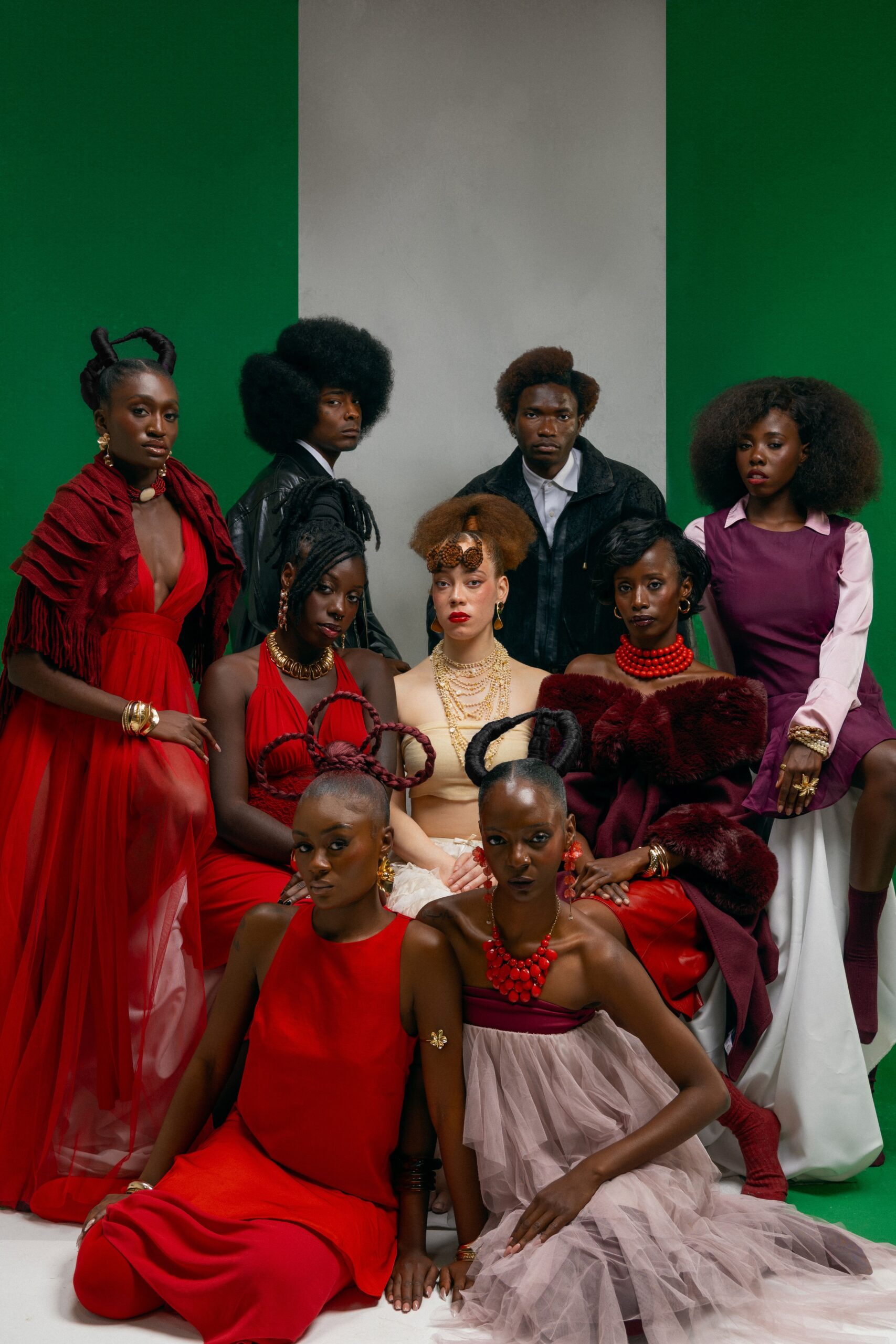
African hair braiding history stretches back thousands of years, long before braids became one of the most popular protective hairstyles worn today. At Abeeba African Hair Braiding in Newark, NJ, we believe that understanding the history of African braiding is essential to truly appreciating the artistry, meaning, and cultural weight behind every style we create.
Braiding is so much more than a hairstyle it is a living tradition passed down through generations, carrying with it stories of identity, community, spirituality, and resistance. In this article, we will take a deep dive into African hair braiding history, exploring its ancient origins, its evolution across centuries and continents, its deep cultural significance, and why it remains such a powerful form of self-expression today.
The Ancient Origins of African Hair Braiding
To truly understand African hair braiding history, we have to go back thousands of years to as early as 3500 BC. Archaeological evidence, including hieroglyphics, sculptures, and preserved remains from ancient Egypt, Nubia, and other early African civilizations, shows that braided hairstyles were already highly developed and deeply significant at this time.
In many early African societies, hair was considered a sacred part of the body a physical extension of one’s spirit and identity. It was believed that hair, being the highest point of the body, formed a direct connection to the divine. Because of this spiritual significance, the styling of hair was not taken lightly. It was often a communal activity, performed by family members or trusted members of the community, and could take many hours or even days to complete.
Different African tribes and ethnic groups developed their own unique braiding styles and techniques, many of which have survived and evolved into the styles we recognize today. The Fulani people of West Africa, for example, are known for intricate braided styles adorned with beads and cowrie shells, while other groups developed elaborate cornrow patterns that would later carry deep symbolic meaning.
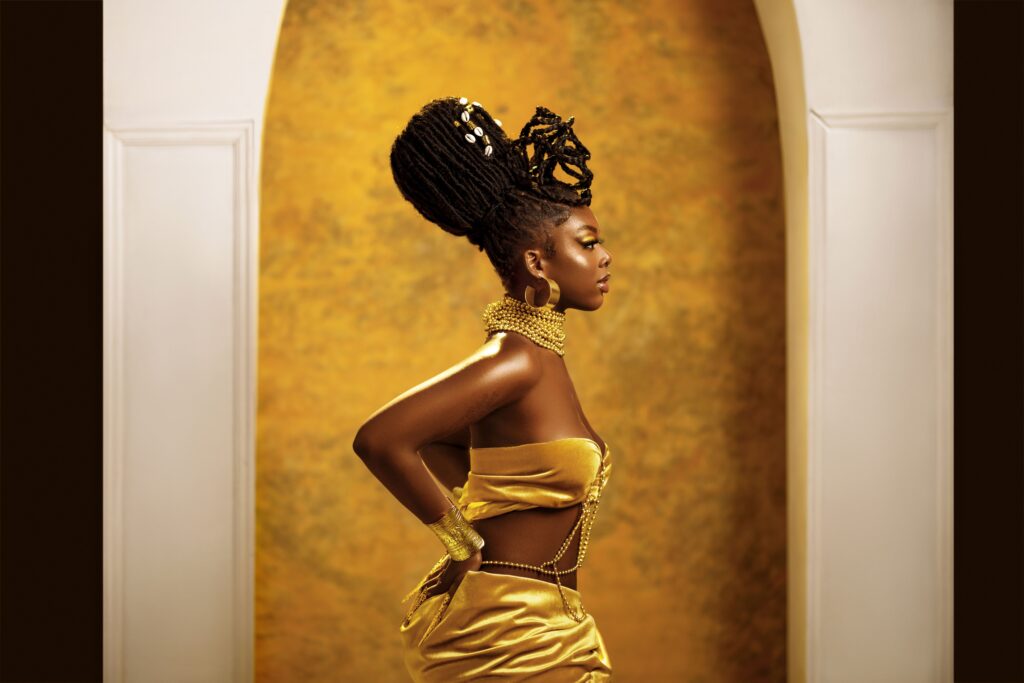
Traditional African Hairstyles and What They Represented
Traditional African hairstyles were never purely decorative they carried deep meaning and served important social functions within African communities. A person’s hairstyle could communicate a great deal of information at a glance, including their:
- Marital status — certain styles were reserved for married women, while others signified that a woman was single
- Age and life stage — hairstyles often changed as individuals transitioned from childhood to adolescence to adulthood
- Social and economic status — more elaborate, time-intensive styles often signified wealth or high social standing
- Tribal or ethnic identity — specific patterns and techniques were closely associated with particular tribes or regions
- Religious or spiritual beliefs — certain hairstyles were worn during religious ceremonies or rites of passage
This rich tradition of traditional African hairstyles laid the foundation for the incredible diversity of braiding styles we see today, from cornrows and box braids to Bantu knots and beyond. This is one of the clearest examples found throughout African hair braiding history of how a hairstyle could carry meaning far beyond appearance.
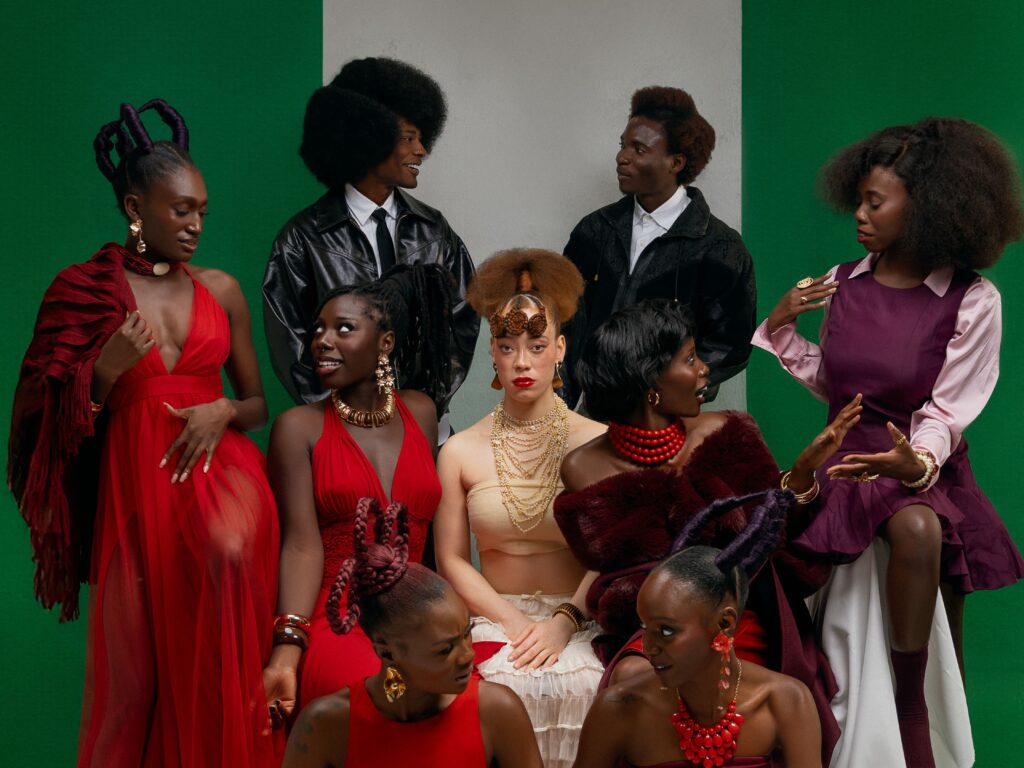
The Cultural Significance of Braids in African Communities
When exploring African hair braiding history, the cultural significance of braids in African communities cannot be overstated.The cultural significance of braids in African communities cannot be overstated. Braiding was and continues to be far more than a beauty ritual. It was, and remains, an important social and communal experience.
Historically, braiding sessions were opportunities for storytelling, bonding, and the passing down of oral history and traditions from one generation to the next. Mothers braided their daughters’ hair, elders braided the hair of younger community members, and these sessions often lasted for hours, creating space for conversation, laughter, mentorship, and connection.
Braiding patterns were also sometimes used for more practical and even life-saving purposes. According to oral histories, certain cornrow patterns were used by enslaved Africans to secretly map out escape routes, hide seeds for planting once they reached freedom, or communicate messages that could not be spoken aloud. This remarkable use of hairstyling as a form of covert communication and resistance is one of the most powerful examples of the cultural significance of braids throughout history.
The Meaning of Braids in African Culture Today
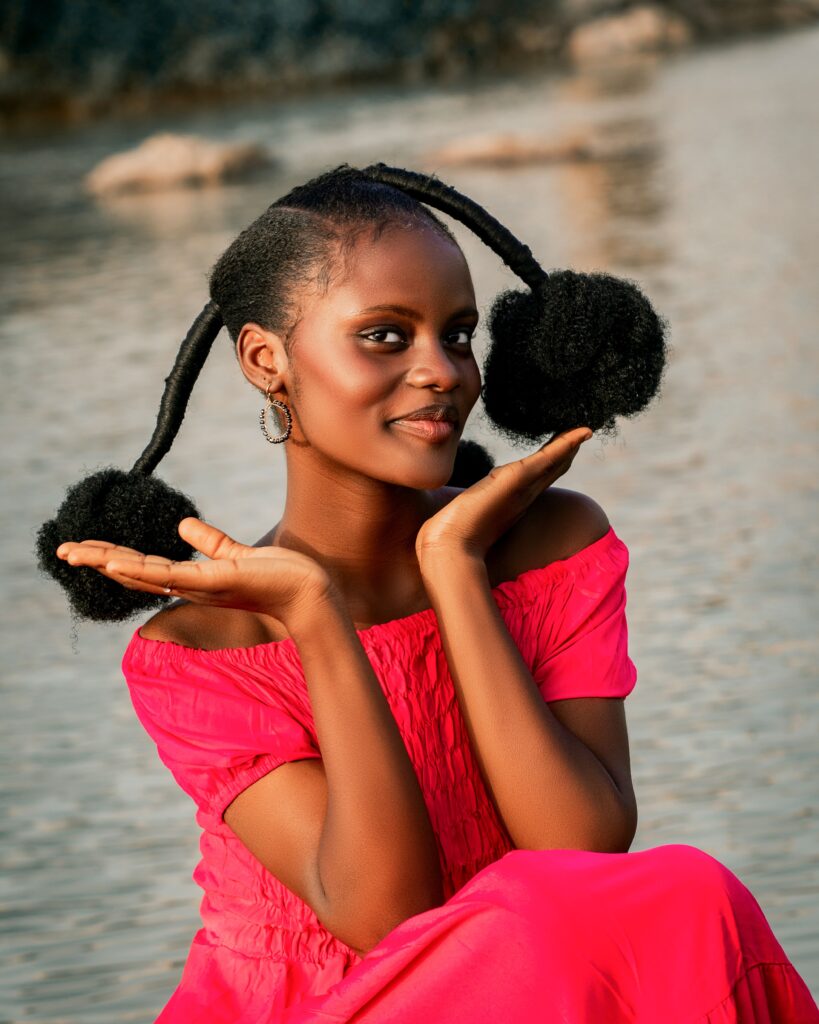
While much has changed since ancient times, the meaning of braids in African culture remains deeply rooted in identity, heritage, and pride. For many people of African descent, wearing braids is a way of honoring their ancestors, celebrating their heritage, and maintaining a tangible connection to their cultural roots regardless of where in the world they now live.
Braiding also continues to serve an important practical purpose. As a protective style, braids shield natural hair from damage, reduce daily manipulation, and support healthy hair growth all while allowing for incredible versatility and self-expression.
At Abeeba African Hair Braiding, we see this meaning reflected in our clients every single day. For many, choosing a particular braiding style is not just a fashion choice it is a celebration of identity and a way of staying connected to a rich and powerful cultural legacy.
African Hair Braiding During the Transatlantic Slave Trade
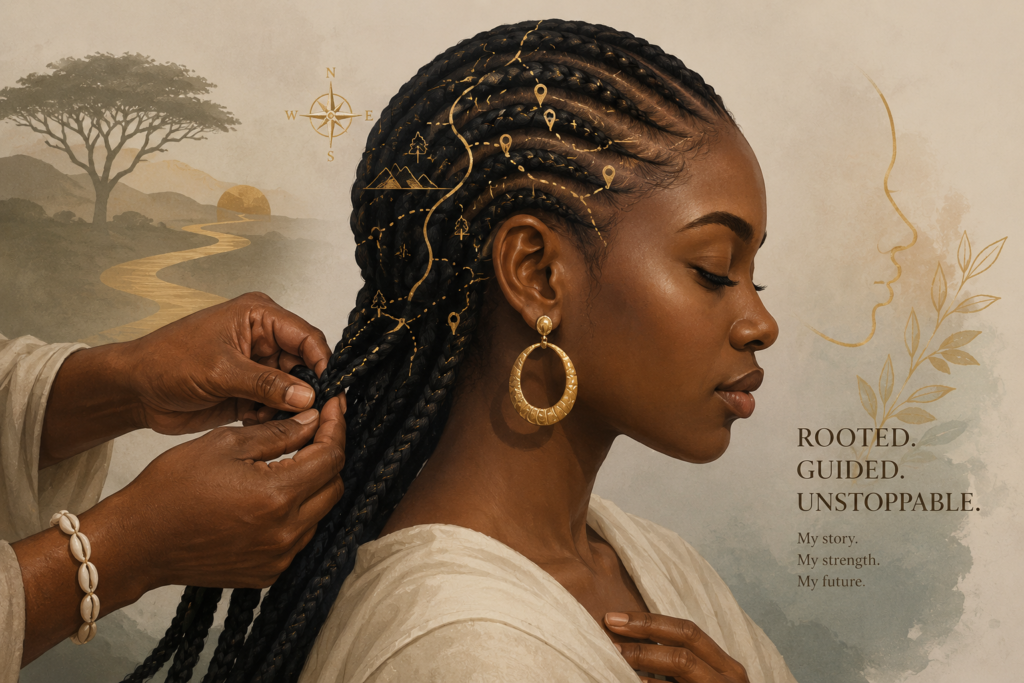
No discussion of African hair braiding history would be complete without acknowledging the painful chapter of the transatlantic slave trade. When Africans were forcibly taken from their homelands, much of their cultural practices including traditional hairstyling were violently suppressed.
Enslaved Africans were often forced to shave their heads or cover their hair, stripping them of an important marker of identity and heritage. Despite these efforts at erasure, African hair braiding traditions survived passed down secretly, adapted, and preserved by enslaved communities who refused to let this vital piece of their culture disappear.
This resilience is a testament to the deep importance of hair and braiding within African communities, and it is part of why braiding continues to carry such profound meaning today. This chapter remains one of the most powerful and painful moments in African hair braiding history, showing the resilience of a people determined to preserve their culture.
The Evolution of African Hair Braiding in Modern Times
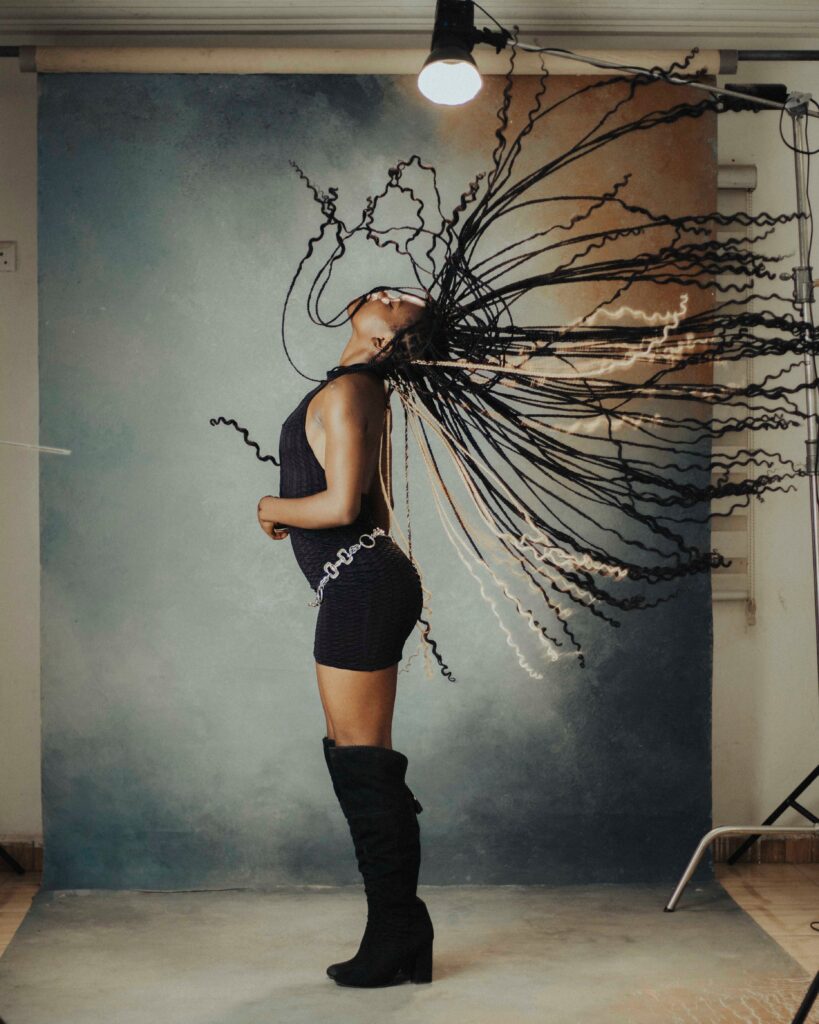
As African diaspora communities grew across the Americas, Europe, and the Caribbean, African hair braiding history entered a new chapter one shaped by migration, resistance, and cultural pride.
In the 20th century, particularly during the Civil Rights Movement and the Black Pride Movement of the 1960s and 1970s, braided hairstyles experienced a powerful resurgence as symbols of Black identity, pride, and resistance against Eurocentric beauty standards. Braids, afros, and other natural hairstyles became political statements, embodying a rejection of assimilation and a celebration of Black beauty and heritage.
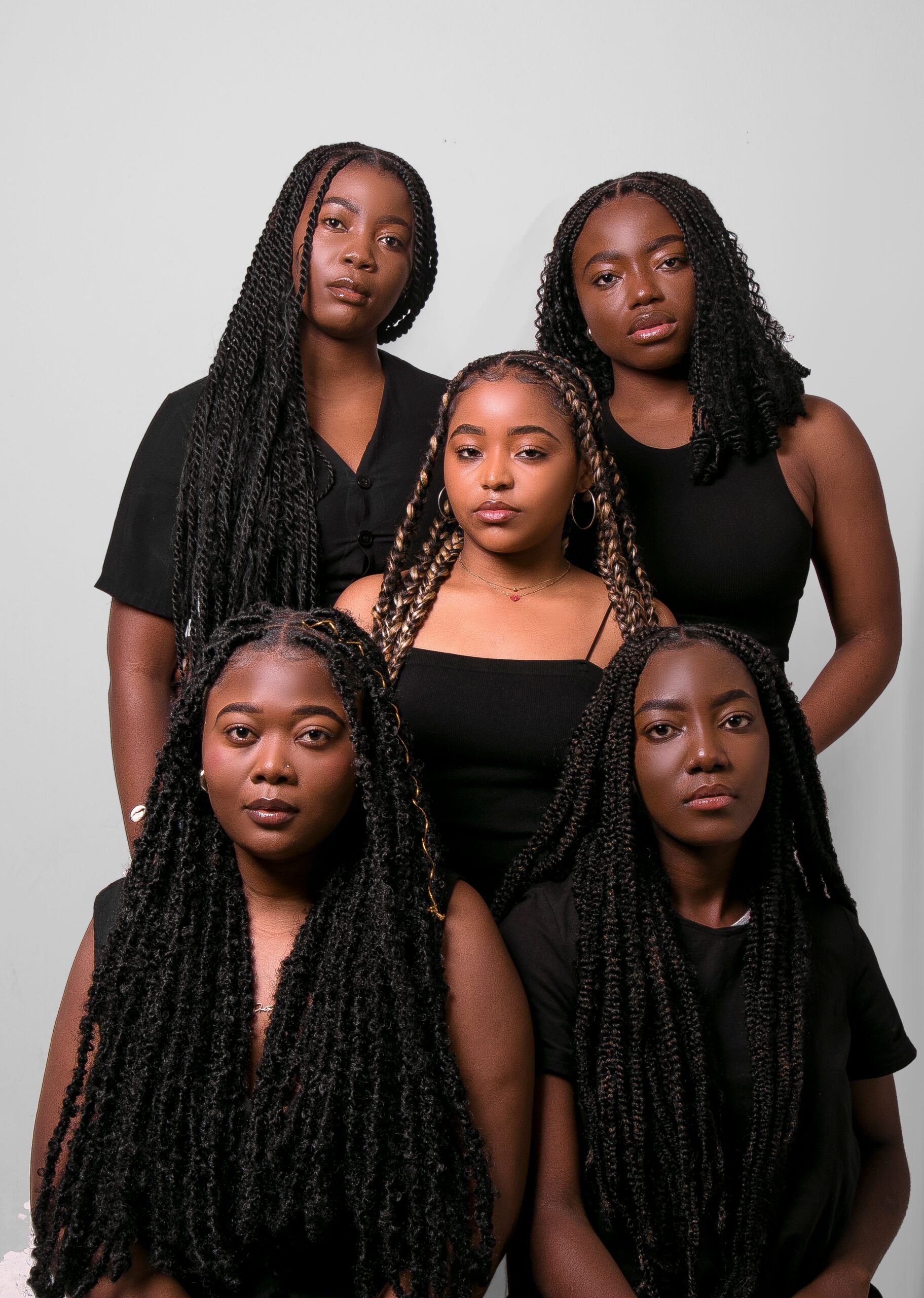
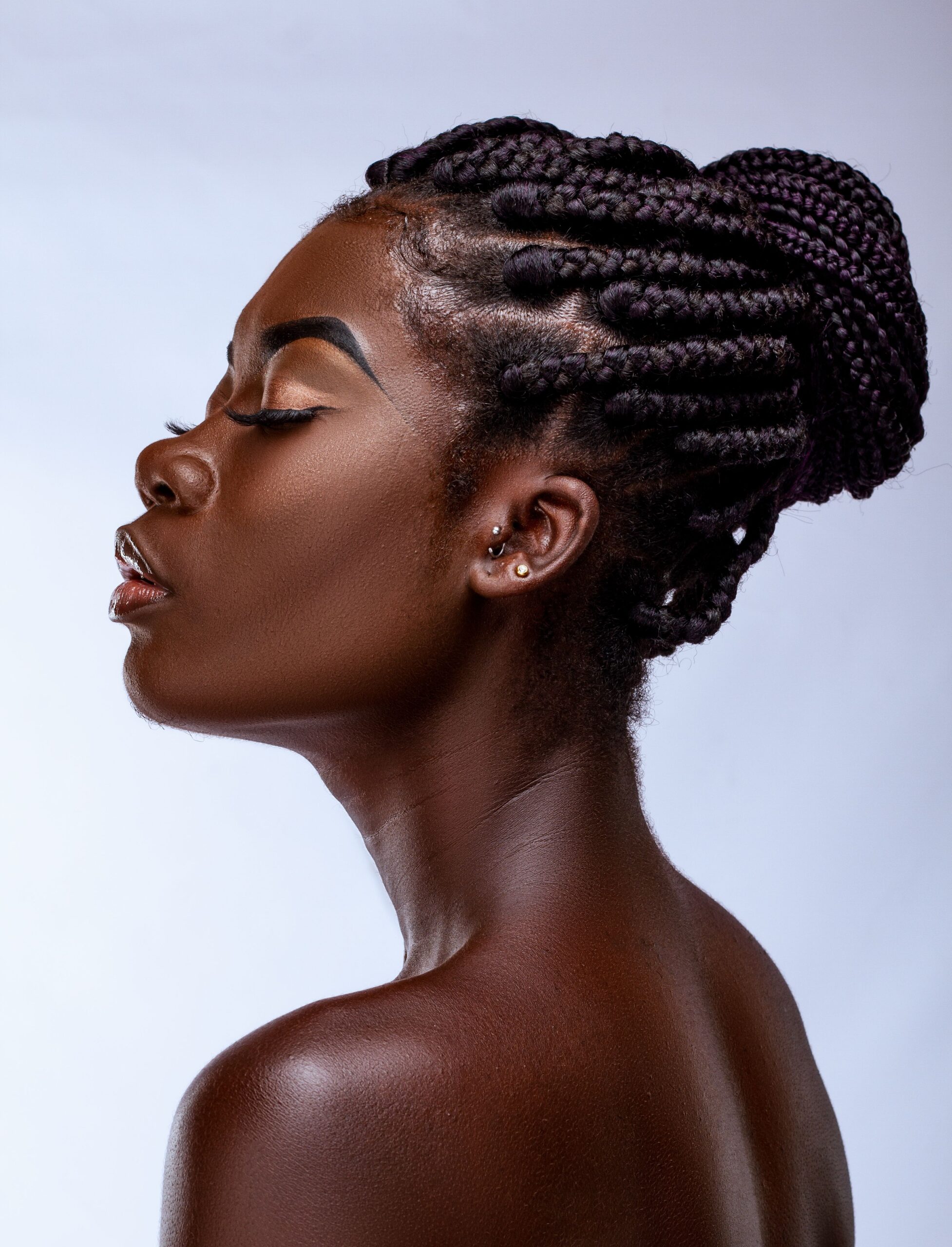
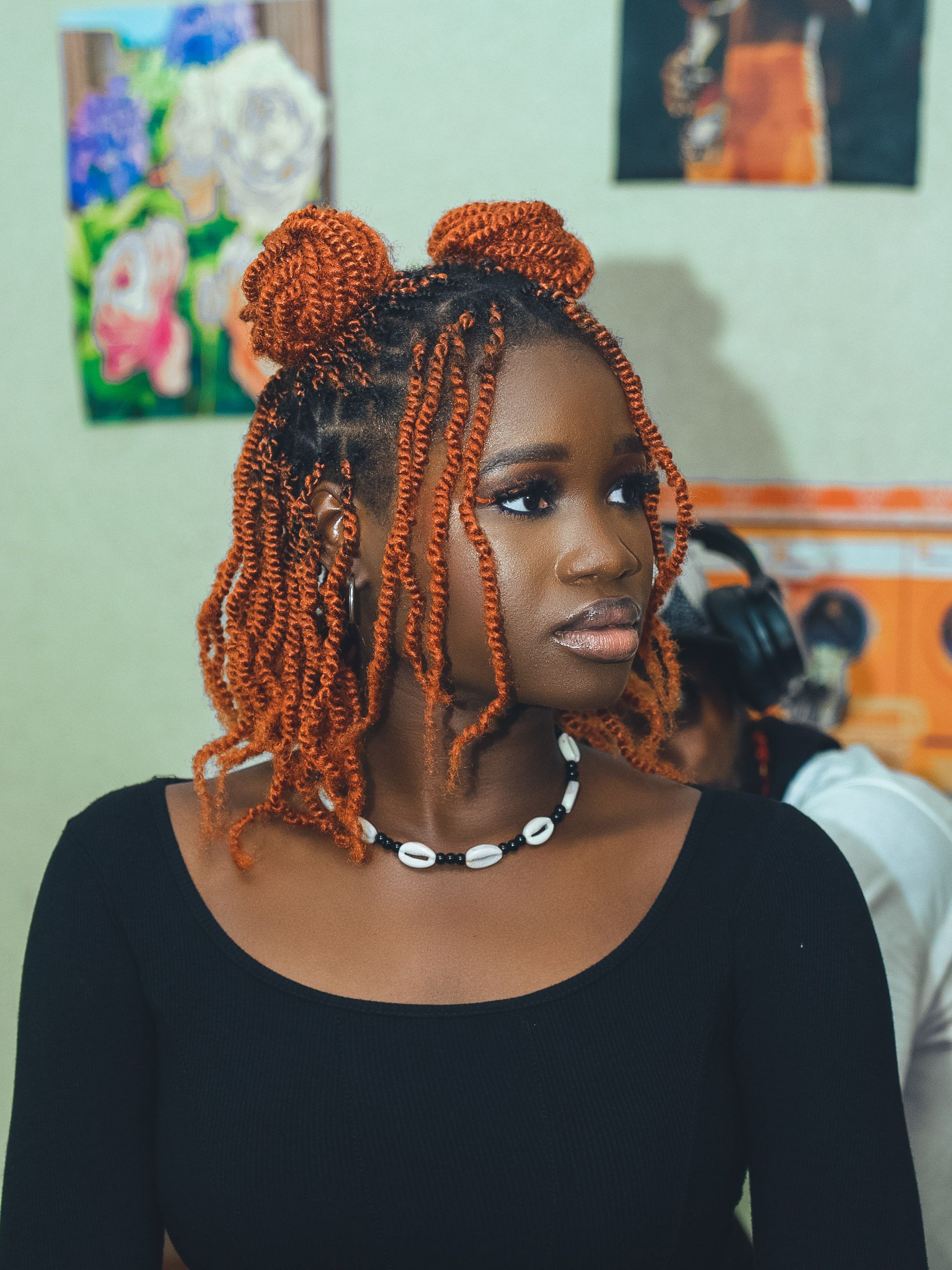
Today, African hair braiding history continues to be written. Modern styles like box braids, knotless braids, passion twists, and goddess braids are direct descendants of ancient traditions, reimagined and refined for the modern world while still carrying the same deep cultural roots and significance.
Popular Modern Styles Rooted in African Hair Braiding Traditions
Many of today’s most popular protective styles trace their origins directly back to African hair braiding traditions. Here are a few modern styles that carry forward key chapters of African hair braiding history:
- Cornrows — one of the oldest and most enduring styles, with roots tracing back thousands of years to ancient Africa
- Box Braids — a modern evolution of traditional braiding techniques, offering versatility and long-lasting protection
- Bantu Knots — named after the Bantu-speaking peoples of Africa, this style has been worn for centuries
- Fulani Braids — inspired by the intricate, beaded styles of the Fulani people of West Africa
- Goddess Braids — a bolder, more voluminous take on traditional cornrowing techniques
Each of these styles carries with it a piece of African hair braiding history, connecting the past to the present every time they are worn.
Why African Hair Braiding History Matters Today
Understanding African hair braiding history matters because it allows us to appreciate braiding not just as a trend, but as a rich cultural art form with deep roots and profound meaning. It reminds us that every braid tells a story of heritage, resilience, identity, and pride.
At Abeeba African Hair Braiding, an African hair braiding salon Newark NJ residents have trusted for years, we honor this history in every style we create. We take pride in preserving these time-honored techniques while bringing modern artistry, precision, and care to every appointment.
Experience African Hair Braiding Traditions at Abeeba in Newark, NJ
Whether you are seeking a classic style rooted in centuries of tradition or a modern take on a timeless technique, Abeeba African Hair Braiding is here to help you connect with this rich cultural heritage. Our skilled stylists bring deep respect and expertise to every braid, ensuring that each client leaves our salon looking beautiful while honoring the powerful legacy of African hair braiding traditions.
As one of the most trusted names for African hair braiding salon Newark NJ has to offer, we are proud to be part of a story that spans thousands of years one braid at a time. Every appointment at Abeeba is an opportunity to engage with African hair braiding history in a real, tangible way.
Passing Down African Hair Braiding History to New Generations
One of the most beautiful parts of African hair braiding history is how it continues to be passed down from elder to child, from stylist to client keeping this legacy alive for generations to come.
Final Thoughts on African Hair Braiding History
African hair braiding history is a powerful reminder that hairstyling is so much more than aesthetics it is identity, community, resistance, and pride, woven together strand by strand across thousands of years. From ancient Egypt to the modern salons of Newark, NJ, the art of braiding continues to evolve while remaining deeply connected to its roots.
At Abeeba African Hair Braiding, we are honored to carry this tradition forward, creating beautiful, meaningful styles for our clients while celebrating the rich history behind every braid. We invite you to become part of the next chapter of African hair braiding history when you visit our salon.
Ready to experience the artistry and tradition of African hair braiding ? Contact Abeeba African Hair Braiding in Newark, NJ today and book your next appointment.
📍 44 Branford Place, Newark, NJ 07102
📞 +1 973-420-0284
🕐 Mon–Sat: 9 AM – 6 PM | Sun: Closed
🌐 abeebaafricanhairbraiding.com