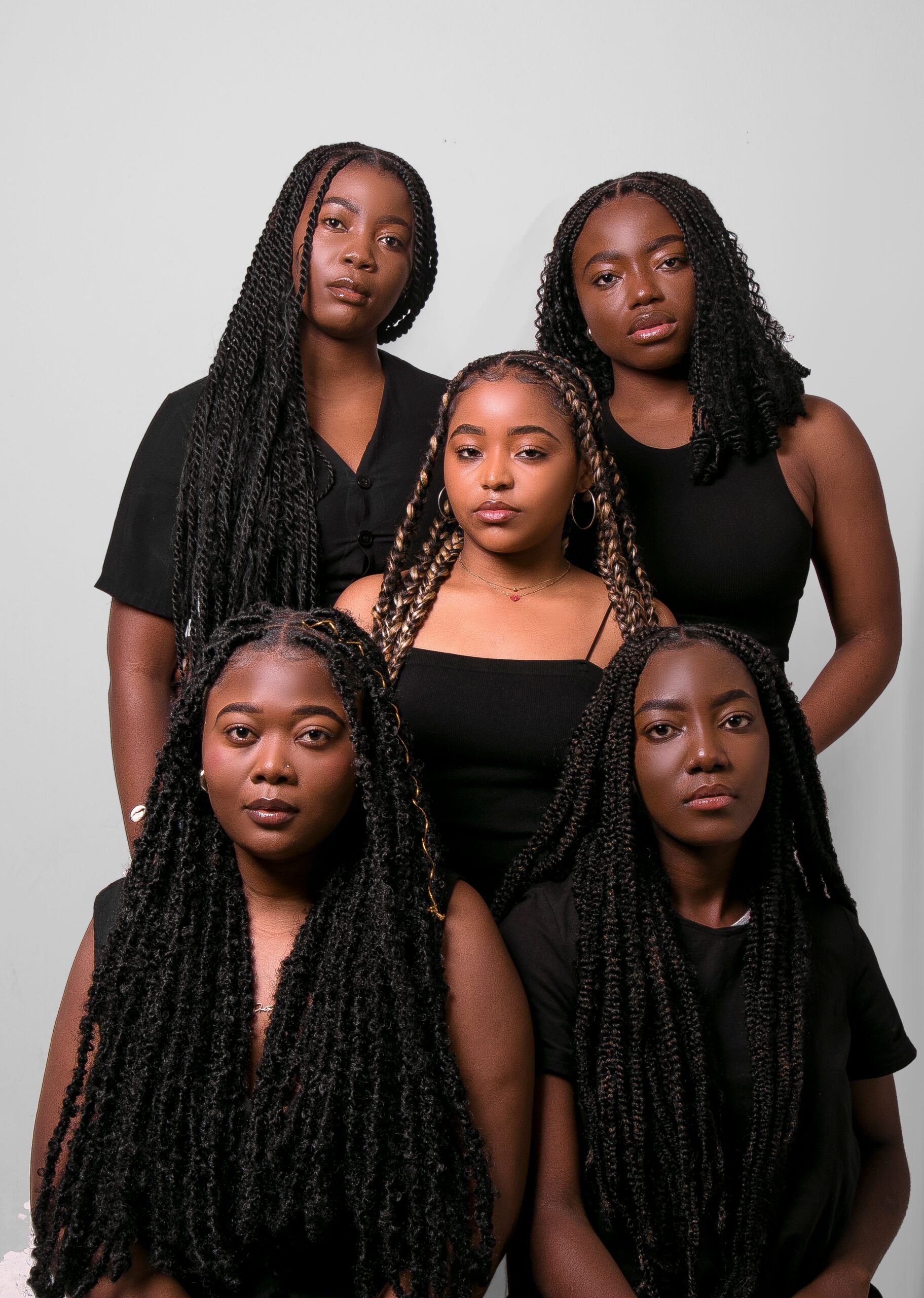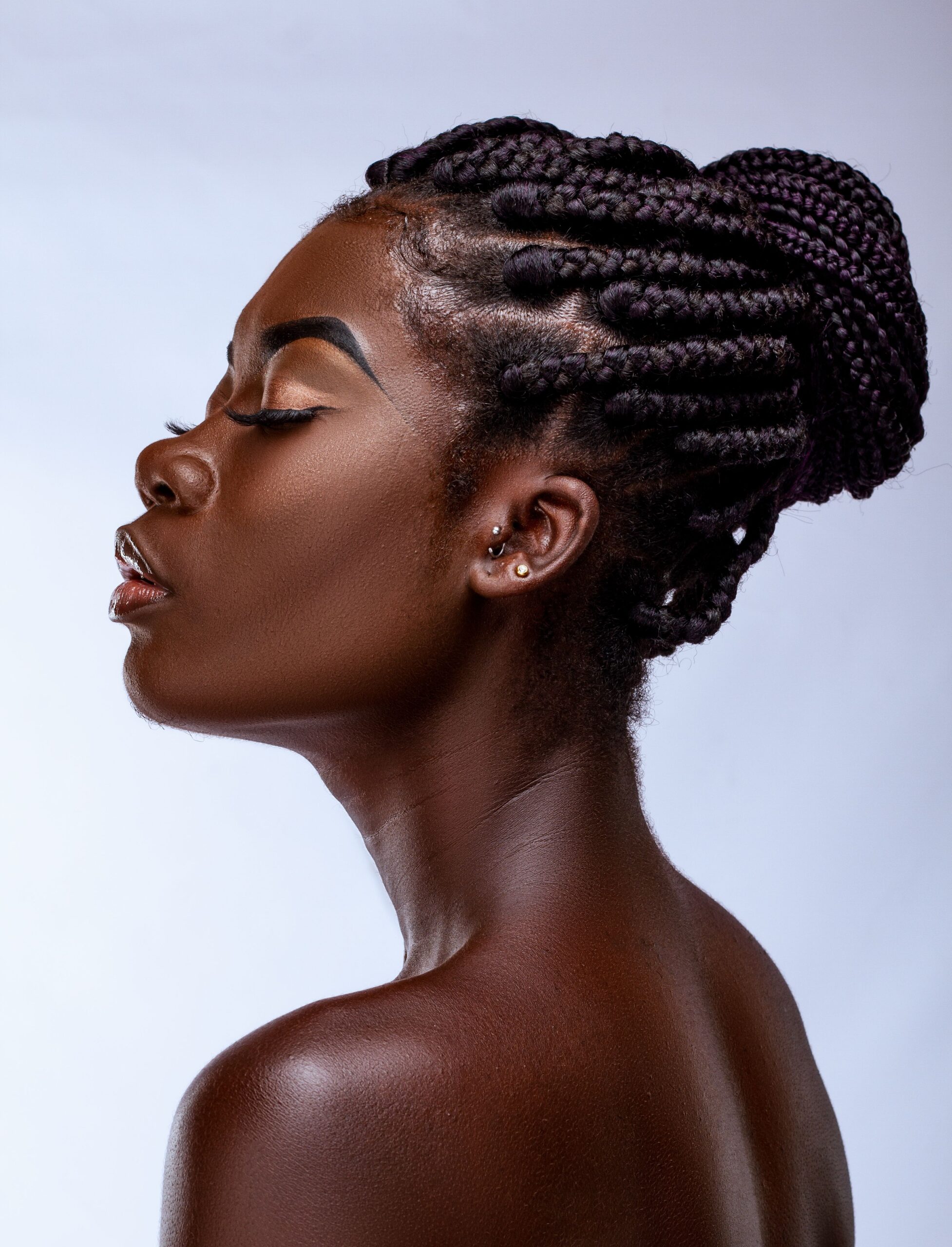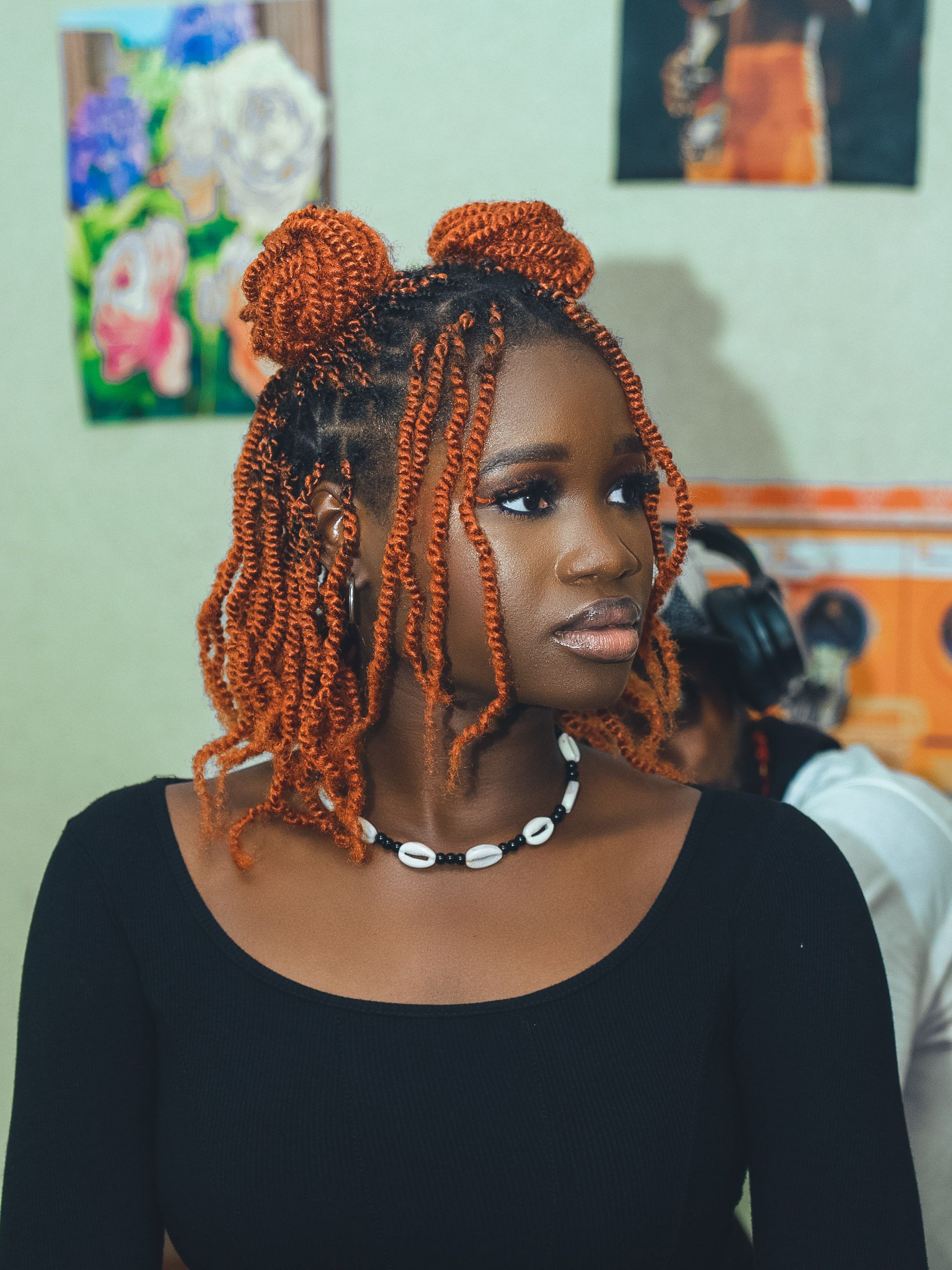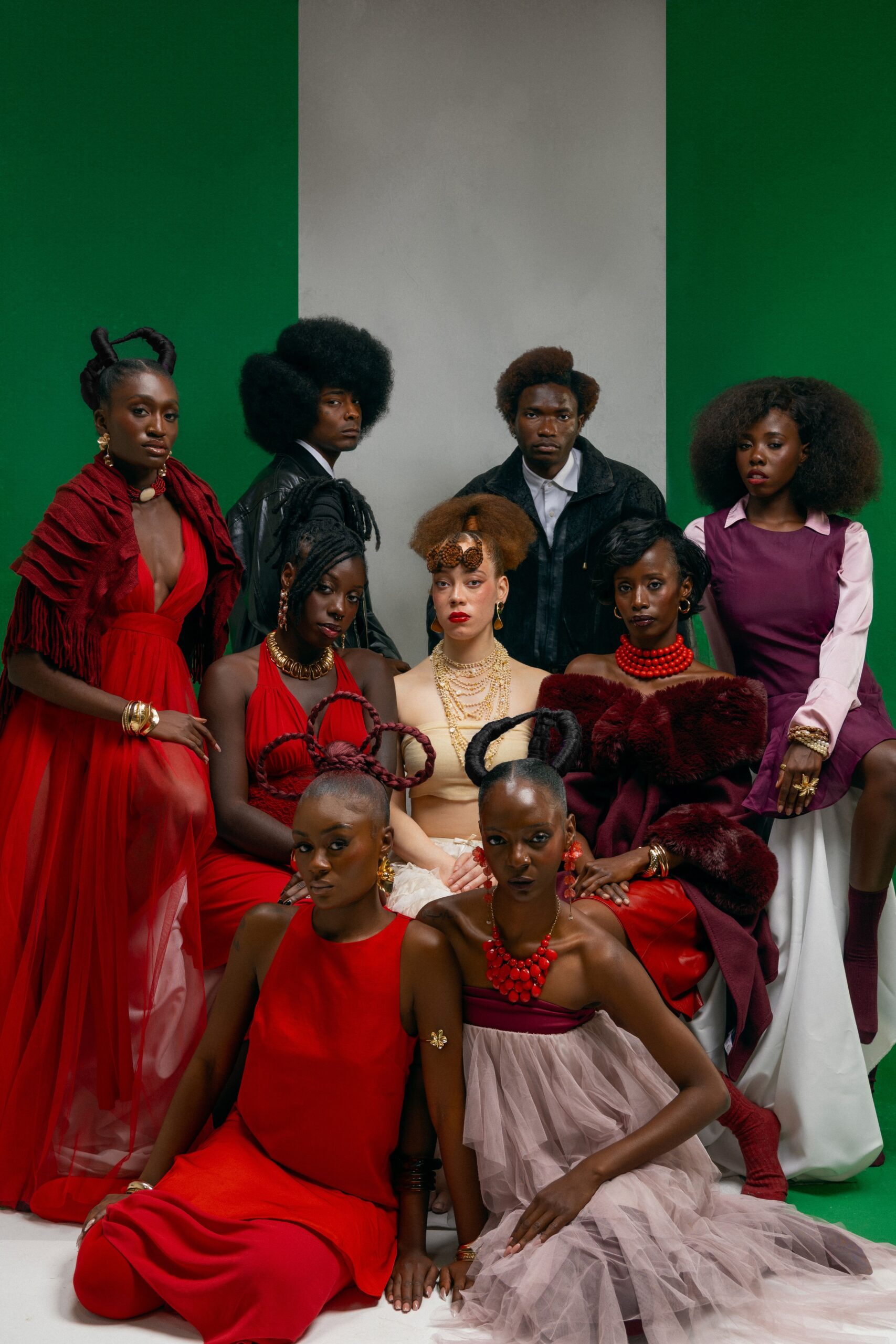
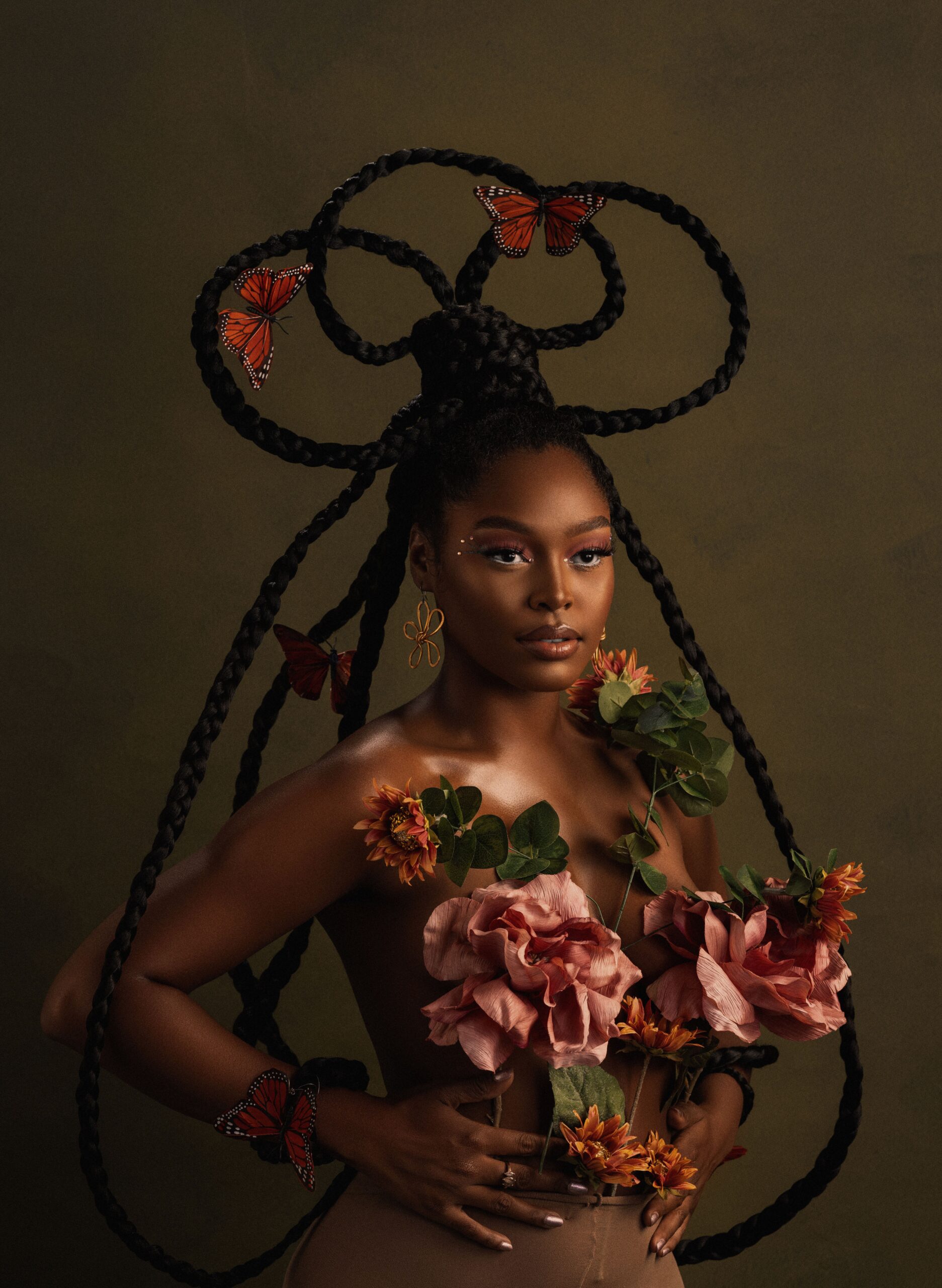
African hair braiding cultural identity runs far deeper than most people realize. At Abeeba African Hair Braiding in Newark, NJ, we see it every single day clients who walk through our doors are not simply looking for a hairstyle. They are seeking a connection to heritage, a celebration of pride, and a powerful expression of who they are.
Understanding African hair braiding cultural identity means looking beyond the braid itself and recognizing the centuries of history, resilience, and meaning woven into every strand. In this article, we will explore why braiding is so much more than a beauty trend it is a living, breathing expression of identity, community, and cultural pride that continues to shape how people see themselves and connect with one another.
A Brief Overview of African Hair Braiding Cultural Identity
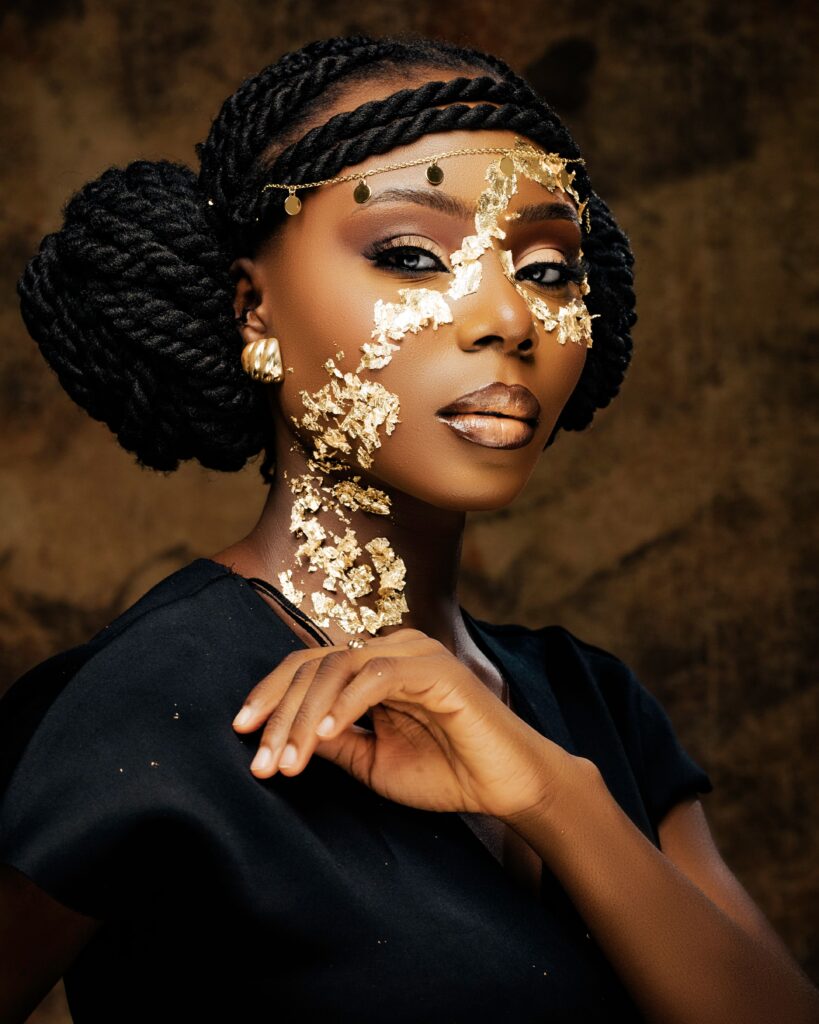
At its core, African hair braiding cultural identity is about connection to ancestors, to community, and to self. Before exploring each dimension of this identity in depth, it helps to understand that every braid pattern carries meaning, and every appointment is an opportunity to engage with a tradition far older than any current trend. Keep this in mind as we explore each layer of African hair braiding cultural identity in more detail.
Braids as a Reflection of African Hair Braiding Cultural Identity
For millions of people across the African diaspora, hair has always been deeply tied to identity. Long before braiding became a global beauty trend, it served as a marker of who a person was their community, their family, their beliefs, and their place within society.
This is the foundation of African hair braiding cultural identity: the understanding that hair is never « just hair. » It is a canvas for storytelling, a marker of belonging, and, for many, a direct link to ancestors and traditions that stretch back thousands of years. Every braid pattern, every twist, and every style carries with it a piece of this rich and layered history. This is the essence of African hair braiding cultural identity a living tradition that continues to evolve while staying rooted in its origins.
Braids and Black Identity: A Core Part of African Hair Braiding Cultural Identity
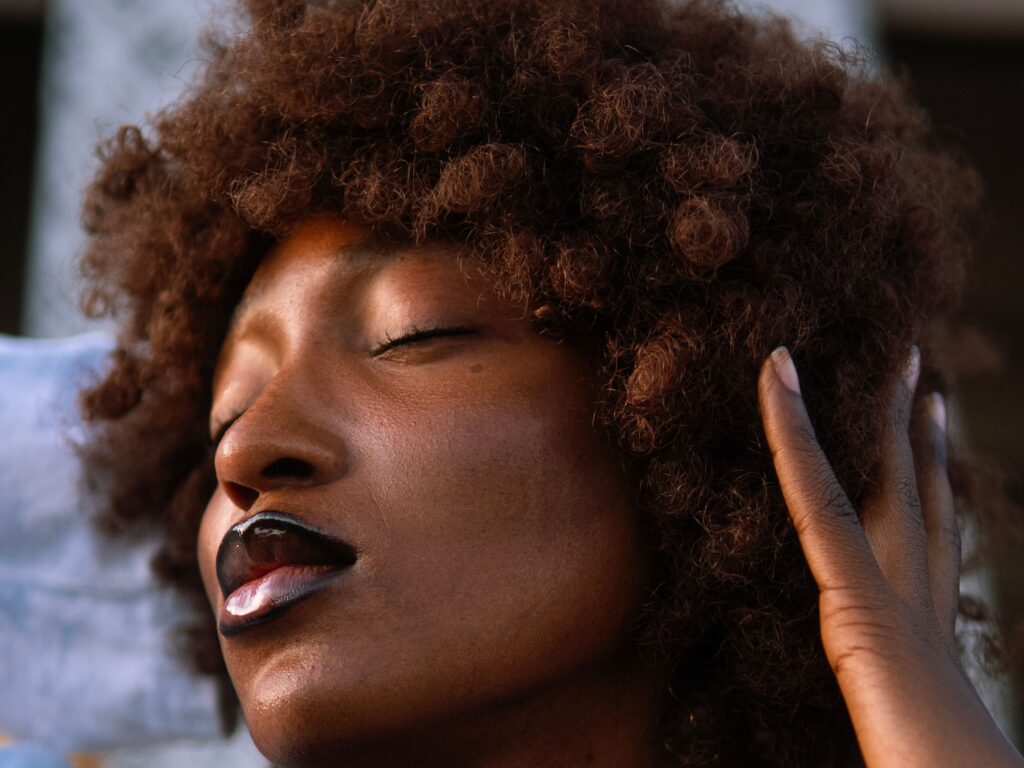
The relationship between braids and Black identity has evolved over centuries, shaped by both celebration and struggle. During periods of forced assimilation and cultural suppression, natural hairstyles like braids were often discouraged or outright banned in professional and social settings, forcing many people to alter their natural hair texture to conform to Eurocentric beauty standards.
Despite this, braids and Black identity remained inseparably linked. Communities preserved braiding traditions through generations, often in private, as an act of quiet resistance and cultural preservation. Over time, as movements for civil rights and racial pride gained momentum, braided and natural hairstyles became powerful, visible symbols of self-acceptance and cultural pride a reclaiming of identity on one’s own terms.
Today, this connection remains as strong as ever. Choosing to wear braids is, for many, an intentional and meaningful expression of African hair braiding cultural identity a way of honoring ancestors while embracing personal style. This history is inseparable from African hair braiding cultural identity as we understand it today.
Hair as Self-Expression
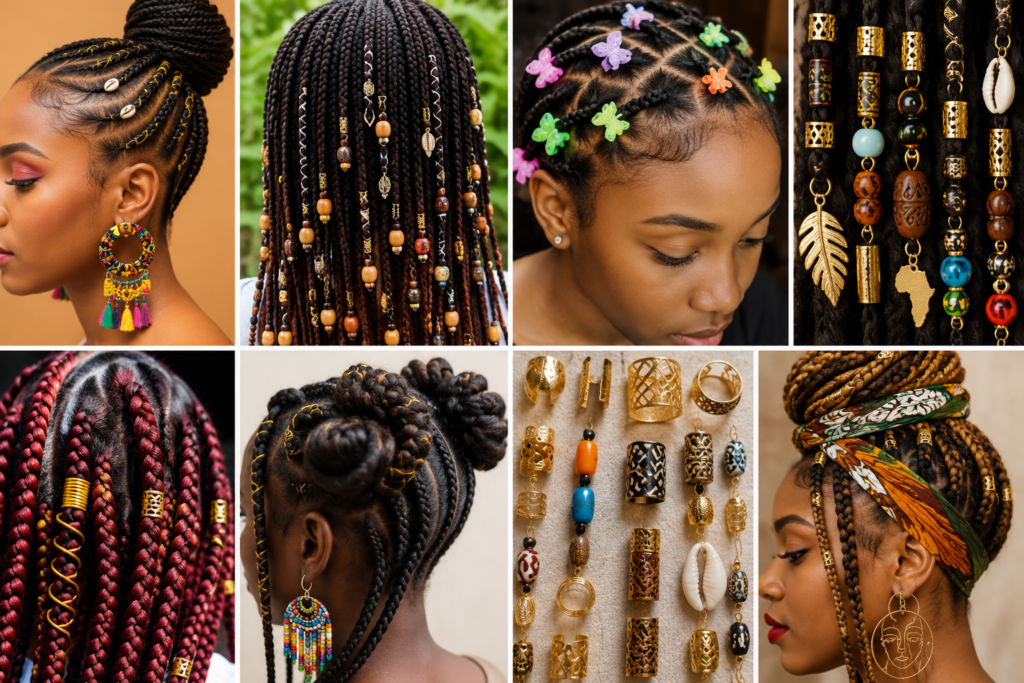
Beyond its cultural and historical significance, braiding also serves as a deeply personal form of hair as self-expression. The style, pattern, color, and accessories chosen for a braided look allow individuals to communicate their personality, mood, and creativity in a way that few other forms of styling can match.
From bold, geometric cornrow patterns to soft, romantic passion twists, braiding offers nearly limitless possibilities for self-expression. At Abeeba African Hair Braiding, we see this every day clients who arrive with a clear vision of exactly how they want to express themselves through their chosen style, whether that means a classic, understated look or something bold and entirely unique. Every choice a client makes reflects a small, personal piece of African hair braiding cultural identity.
This freedom of expression is a core part of African hair braiding cultural identity, allowing each person to make a centuries-old tradition entirely their own. This freedom to express oneself through style is, at its heart, a celebration of African hair braiding cultural identity in its most personal form.
Braiding as a Form of Connection
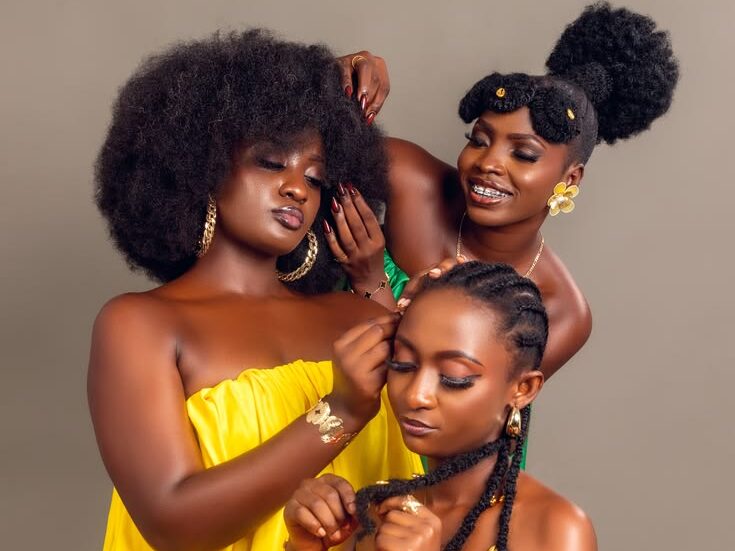
One of the most beautiful aspects of African hair braiding cultural identity is how braiding functions as a form of connection between people a thread that runs through nearly every part of this tradition.
These sessions create space for storytelling, mentorship, laughter, and bonding that goes far beyond the final hairstyle itself. Many people fondly remember childhood afternoons spent sitting on the floor between a mother’s or grandmother’s knees, having their hair braided while listening to family stories and life lessons.
At Abeeba African Hair Braiding, we strive to honor this tradition of connection in every appointment, creating a warm, welcoming space where clients feel cared for not just styled. Braiding as a form of connection is, in many ways, just as important as the final result.
Natural Hair Pride and the Modern Braiding Movement
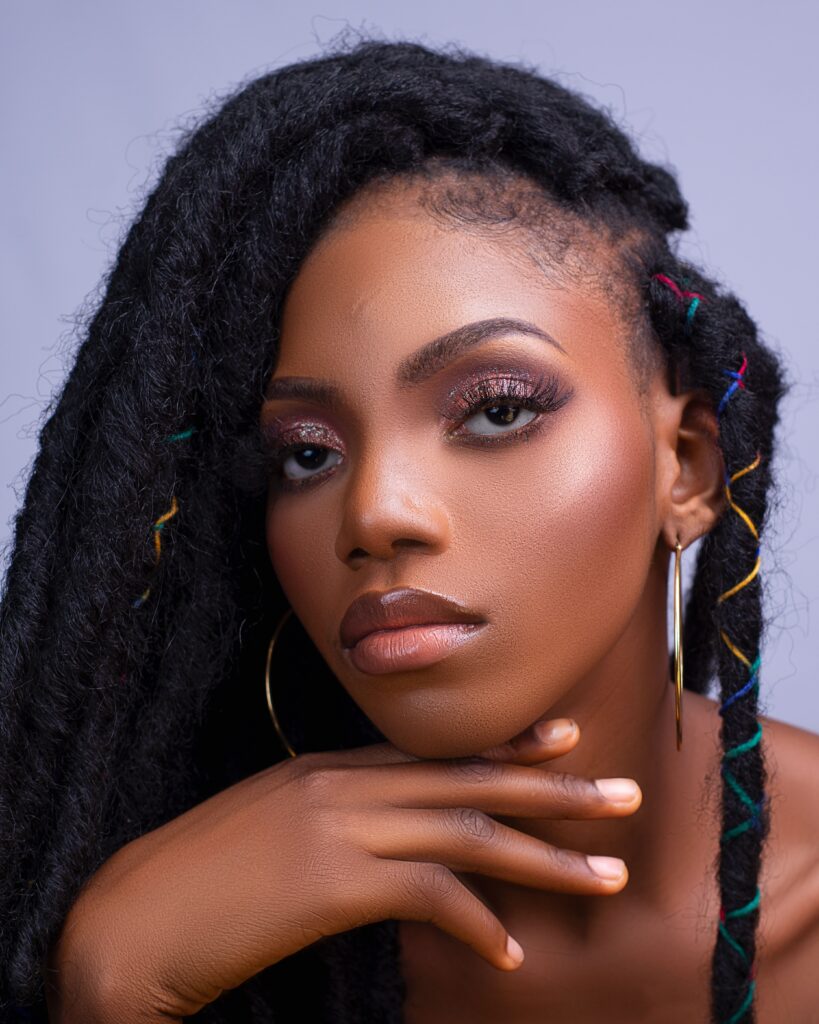
This movement has done more to protect African hair braiding cultural identity than any single style ever could. In recent decades, the natural hair movement has played a significant role in reshaping how society views braided and natural hairstyles. What was once discouraged or stigmatized in many professional and social settings is now increasingly celebrated as a beautiful, valid, and powerful expression of identity.
This shift reflects a broader cultural embrace of natural hair pride a growing recognition that braided styles are not just acceptable, but worthy of celebration in all spaces, from classrooms and workplaces to red carpets and everyday life. Legislative efforts like the CROWN Act, which protects individuals from hair-based discrimination in many U.S. states, reflect just how significant this shift in cultural attitudes has become.
At the heart of this progress lies a core truth central to African hair braiding cultural identity: that braided hairstyles are a legitimate, powerful, and beautiful form of self-expression that deserves the same respect as any other styling choice.
How Legislation Reflects Growing Respect for African Hair Braiding Cultural Identity
Laws like the CROWN Act are a direct response to decades of discrimination against natural and braided hairstyles, and they reflect a broader, overdue recognition of African hair braiding cultural identity as valid and worthy of protection in any setting.
Passing Down African Hair Braiding Cultural Identity to the Next Generation
One of the most meaningful ways that African hair braiding cultural identity continues to thrive is through its passage from one generation to the next. Parents braiding their children’s hair, older siblings learning techniques from their elders, and young stylists training under experienced professionals all contribute to keeping this tradition alive and evolving.
At Abeeba African Hair Braiding, we take great pride in welcoming clients of all ages from young children receiving their very first braided style to grandmothers who have been wearing braids for decades. Each appointment becomes an opportunity to celebrate and pass down this powerful cultural legacy.
By teaching children about the history and meaning behind their braided styles, parents help ensure that the next generation understands and appreciates African hair braiding cultural identity as more than just a passing trend. Each generation adds its own chapter to African hair braiding cultural identity.
Celebrating African Heritage Through Hair Every Day

For many clients, celebrating African heritage through hair is not reserved for special occasions it is a daily practice, embedded into everyday life through the choice to wear braids, twists, and other traditional styles. This daily celebration reinforces a sense of pride, connection, and belonging that goes far beyond aesthetics.
At Abeeba African Hair Braiding, we recognize that every client who sits in our chair is participating in this ongoing celebration, whether they are consciously thinking about it or simply choosing a style they love. Every braid becomes a small, personal tribute to a much larger, richer cultural story. In this way, African hair braiding cultural identity is not confined to history books it is lived, worn, and celebrated in real time, every single day.
Why African Hair Braiding Cultural Identity Matters in Today’s World
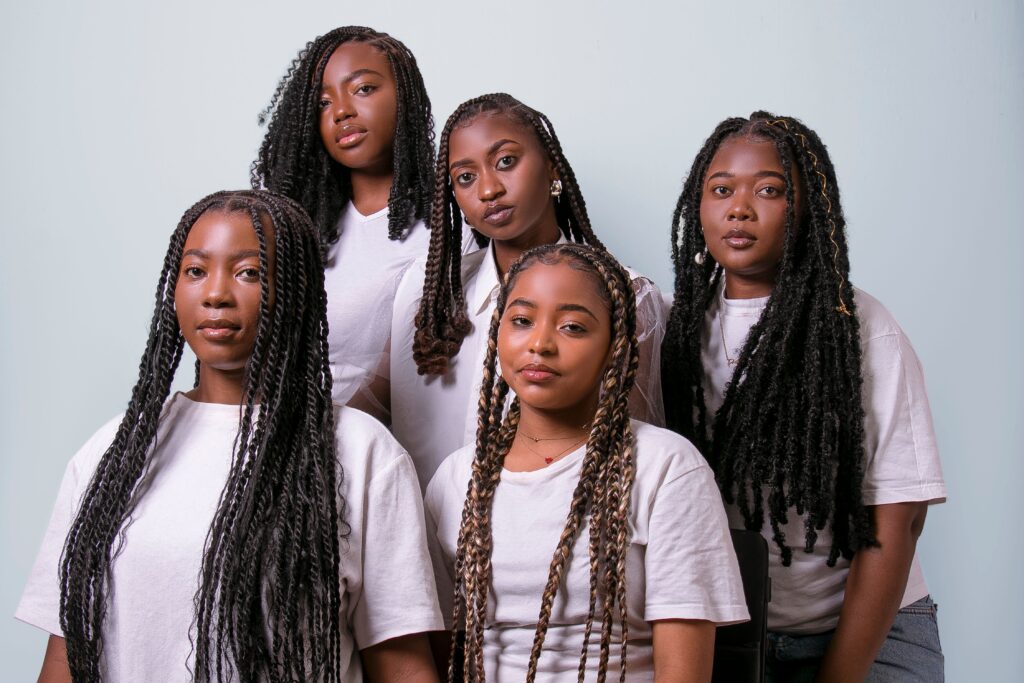
In a world that is increasingly interconnected, understanding and respecting African hair braiding cultural identity matters more than ever. It encourages broader cultural appreciation, challenges outdated beauty standards, and creates space for authentic self-expression across all communities.
For clients of African descent, embracing braided styles often represents a meaningful act of pride and connection to heritage. For salons and stylists, honoring this cultural identity means approaching every appointment with respect, knowledge, and genuine care for the traditions being carried forward. This is precisely why African hair braiding cultural identity deserves more recognition in mainstream conversations about beauty.
At Abeeba African Hair Braiding, we see it as both a privilege and a responsibility to help preserve and celebrate African hair braiding cultural identity through every style we create.
How Abeeba African Hair Braiding Honors Cultural Identity in Every Style
As a trusted African hair braiding salon Newark NJ residents have relied on for years, Abeeba African Hair Braiding approaches every appointment with deep respect for the cultural roots behind each braiding technique. Our stylists bring not only technical skill, but also genuine appreciation for the rich history and meaning woven into every style.
We believe that honoring African hair braiding cultural identity means more than simply creating beautiful results it means creating a space where clients feel seen, respected, and connected to a tradition that spans generations and continents. This respect for African hair braiding cultural identity is at the core of everything we do.
Final Thoughts on African Hair Braiding Cultural Identity
African hair braiding cultural identity reminds us that braiding is so much more than a hairstyle it is heritage, pride, resilience, connection, and self-expression, all woven together strand by strand. From ancient traditions to modern styles, braiding continues to serve as a powerful symbol of identity for individuals and communities alike.
At Abeeba African Hair Braiding in Newark, NJ, we are honored to be part of this ongoing story helping our clients celebrate their heritage, express their individuality, and carry forward a tradition that has endured for thousands of years. We invite every client to see their appointment not just as a hairstyle, but as a meaningful expression of African hair braiding cultural identity. We hope this guide deepened your appreciation for African hair braiding cultural identity.
Ready to celebrate your own African hair braiding cultural identity ? Contact Abeeba African Hair Braiding today and let our expert team create a style that honors both tradition and your personal expression.
📍 44 Branford Place, Newark, NJ 07102
📞 +1 973-420-0284
🕐 Mon–Sat: 9 AM – 6 PM | Sun: Closed
🌐 abeebaafricanhairbraiding.com